

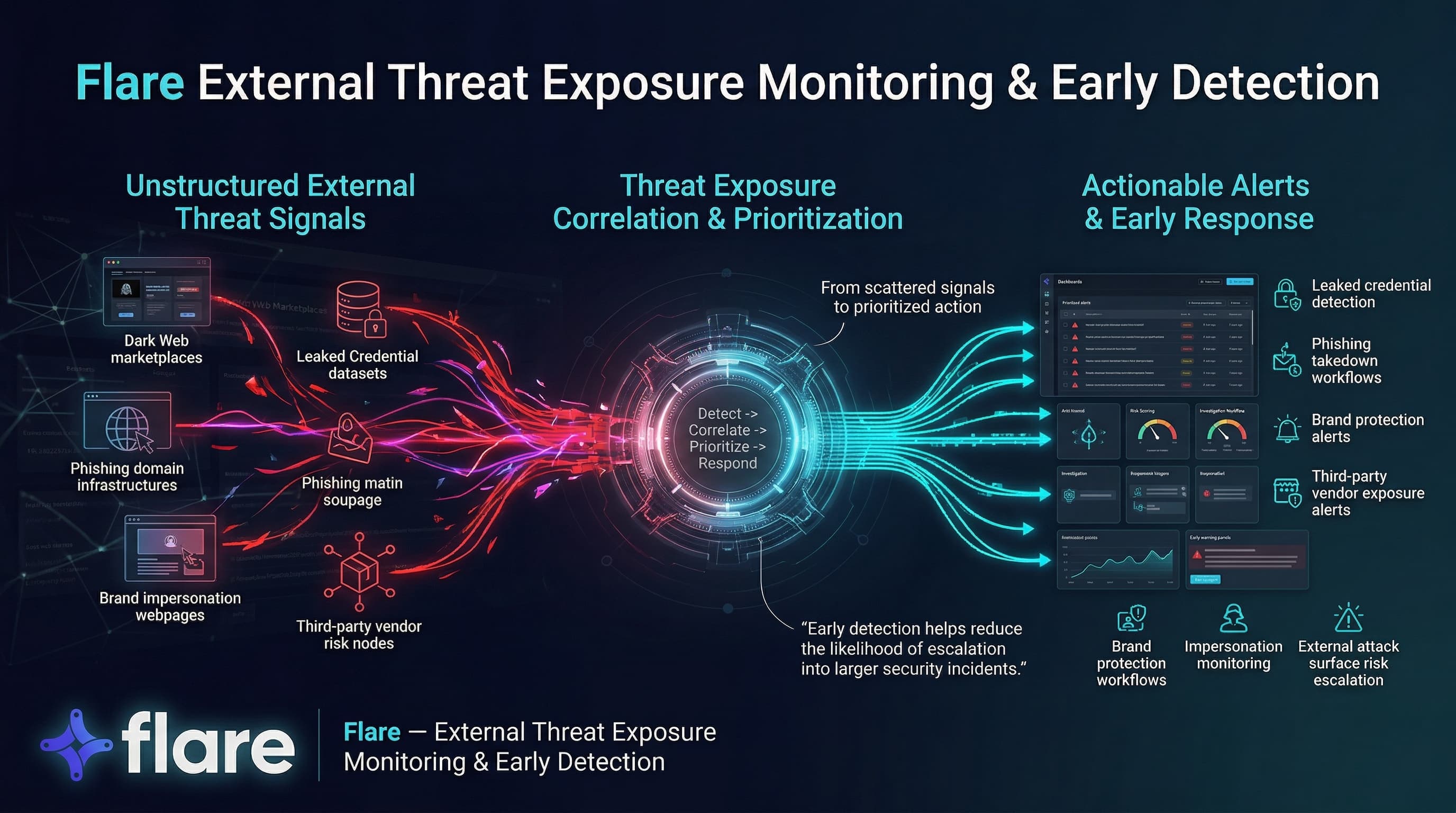
The growth of online banking, e-commerce, and digital payments has made financial transactions faster and more convenient. At the same time, it has created an attractive target for cybercriminals seeking payment information, account credentials, and personal data.
One name that appears in online discussions about underground carding activity is bclub. It has been associated with conversations surrounding stolen payment-card information and illicit online marketplaces. However, information about underground websites can be difficult to verify, and domains may change ownership, disappear, or be copied by unrelated operators.
For ordinary internet users, the more important issue is the cybersecurity threat represented by carding markets in general. Understanding how payment information becomes compromised, what warning signs to recognize, and how to respond to suspected fraud can help people protect themselves.
This article examines bclub.tk in the broader context of carding markets, financial cybercrime, privacy risks, and consumer cybersecurity.
What Is Bclub.tk?
Bclub.tk refers to a domain name that has been discussed online in connection with BClub and underground payment-card activity.
A domain name by itself does not prove who operates a website or what activities take place there. Websites associated with illicit markets can frequently change addresses, use copied branding, or become inaccessible without warning.
There may also be websites or online advertisements that use similar names to attract visitors or impersonate previously known services.
Consequently, users should avoid treating anonymous posts, promotional claims, or search-engine results as definitive evidence about a particular website.
The safest approach is to focus on independently documented cybersecurity risks rather than attempting to interact with an unverified underground marketplace.
What Are Carding Markets?
Carding markets are underground online environments associated with the trafficking or misuse of stolen payment-card information.
The information involved may have been obtained through different criminal methods, including phishing, malware, compromised accounts, or data breaches.
The existence of these markets creates risks for several groups:
- Consumers whose payment information has been stolen.
- Businesses that accept card payments.
- Financial institutions responsible for detecting fraudulent activity.
- Payment processors and card networks.
- Organizations investigating cybersecurity incidents.
Carding is not simply a technical issue. It is a form of financial crime that can create direct financial and privacy consequences for victims.
How Does Payment Information Become Stolen?
Understanding the most common attack methods is useful for prevention.
Phishing Attacks
Phishing involves deceptive communications designed to persuade users to reveal sensitive information.
A scammer might impersonate a bank, retailer, delivery company, or payment provider. The message may contain an urgent warning and direct the recipient to a fraudulent website.
The fake website may resemble the real service closely enough to convince users to enter login credentials or payment information.
Data Breaches
A data breach occurs when unauthorized individuals gain access to information held by an organization.
Businesses store large amounts of customer information, making them potential targets for cyberattacks.
Organizations use security controls to reduce these risks, but no system is completely immune to attacks.
Consumers should pay attention to legitimate breach notifications and follow recommended security steps when their information may have been exposed.
Malware
Malware is software designed to perform unauthorized or harmful activities.
Some types of malware can attempt to collect sensitive information from compromised devices.
Users can reduce exposure by keeping their operating systems and applications updated, using reputable security software, and avoiding suspicious downloads.
Social Engineering
Social engineering attacks manipulate people into revealing information or performing actions they would not normally take.
A scammer might claim to be a bank employee and create a sense of urgency around a supposed account problem.
Unexpected requests for passwords, payment-card details, or security codes should always be treated carefully.
Credential Reuse
Using the same password on multiple websites can increase the impact of a security breach.
If criminals obtain credentials from one compromised service, they may attempt to use the same username and password elsewhere.
Unique passwords can help prevent this type of account takeover.
Why Is Carding a Cybersecurity Concern?
The primary concern is the potential misuse of stolen financial information.
Payment-card details can be used in attempts to conduct unauthorized transactions. Although financial institutions employ fraud detection and authentication systems, criminals continually develop new methods for bypassing or testing security controls.
Fraud can also create indirect consequences.
A consumer may need to replace a card, dispute transactions, secure accounts, and monitor credit or financial activity.
Businesses can face costs related to chargebacks, investigations, customer support, security improvements, and regulatory obligations.
These effects demonstrate why payment-card security is a shared responsibility.
Understanding CVV2 and Other Card Information
CVV2 is a security code associated with many payment cards and is used to help verify certain card-not-present transactions.
For many Visa and Mastercard cards, it consists of three digits printed on the back. American Express generally uses a four-digit security code.
Consumers should treat this information as confidential.
It is important to remember that a CVV2 code is only one element of payment verification. Depending on the transaction, additional security checks may be used.
Nevertheless, users should never provide their card number, expiration information, or security code to unknown individuals or suspicious websites.
Major Risks of Interacting With Suspicious Carding Websites
Users who encounter underground carding websites may face risks beyond financial fraud.
Malware Exposure
Untrusted websites can potentially expose visitors to malicious files, scripts, or deceptive downloads.
Phishing
A website may pretend to offer a service while actually attempting to collect usernames, passwords, payment details, or other personal information.
Scams
Criminal marketplaces can contain fraudulent sellers or operators who take payment without providing anything in return.
Privacy Loss
Users may unknowingly reveal identifying information by interacting with suspicious websites or communications.
Legal Consequences
Buying, selling, or knowingly using stolen payment-card information can violate criminal laws and financial regulations. The exact legal consequences depend on the jurisdiction and circumstances.
For these reasons, users should not attempt to participate in illicit carding activity.
How to Protect Yourself From Carding-Related Threats
Strong cybersecurity practices can reduce exposure to financial crime.
Use Unique Passwords
Create separate passwords for banking, email, shopping, and other important accounts.
A reputable password manager can help generate and store unique credentials.
Enable Multifactor Authentication
Multifactor authentication adds another layer of protection when logging into an account.
Enable it whenever an important service offers the feature.
Monitor Financial Accounts
Check card and bank statements regularly.
Transaction alerts can provide an early warning if an unfamiliar purchase occurs.
Verify Unexpected Messages
If an email or text claims that your account has a problem, do not automatically follow its link.
Instead, open the organization’s official application or website independently and check the account there.
Keep Software Updated
Regularly install security updates for operating systems, browsers, and applications.
Avoid Unnecessary Sharing
Do not share financial information through social media, messaging services, or unsolicited communications.
What If Your Card Information Is Compromised?
If you believe your card information has been exposed, contact your card issuer or bank promptly using an official contact method.
Depending on the circumstances, the institution may recommend:
- Locking or freezing the card.
- Replacing the card.
- Reviewing recent transactions.
- Disputing unauthorized payments.
- Monitoring the account for additional suspicious activity.
If an online account may also have been compromised, change its password and enable multifactor authentication.
Be particularly careful of follow-up scams. Someone who knows that you experienced a security incident may attempt to impersonate a bank representative or security specialist.
The Role of Businesses and Financial Institutions
Consumers are an important part of the security equation, but organizations also have significant responsibilities.
Businesses that process payment information should use appropriate security controls, restrict access to sensitive data, monitor systems for suspicious activity, and maintain incident-response procedures.
Banks and payment providers use transaction monitoring, fraud detection, authentication technologies, and other mechanisms to identify suspicious payments.
Cybersecurity researchers and law-enforcement organizations also investigate criminal infrastructure and help identify emerging threats.
The continuing development of these defenses is important because financial cybercrime evolves alongside legitimate digital payment technology.
Frequently Asked Questions
Is Bclub.tk a legitimate financial service?
The domain name alone does not establish legitimacy. Claims about specific websites should be independently verified, especially when they are associated with stolen financial information.
What is a carding market?
A carding market is an underground environment associated with the exchange or misuse of stolen payment-card information.
What is CVV2?
CVV2 is a card security code used to help verify certain card-not-present transactions.
How can card information be stolen?
Common methods include phishing, malware, data breaches, social engineering, and compromised online accounts.
What should I do after seeing an unauthorized transaction?
Contact your bank or card issuer through an official channel as soon as possible, report the transaction, and follow its instructions for securing the account.
Conclusion
Bclub.tk is discussed online in the context of BClub and underground carding markets, but the exact identity and current status of any website using that name should not be assumed without reliable verification.
The broader cybersecurity issue is much clearer: stolen payment information can create serious financial and privacy risks.
Consumers can reduce their exposure by using unique passwords, enabling multifactor authentication, keeping software updated, monitoring financial accounts, and treating unexpected requests for sensitive information with caution.
Businesses and financial institutions also have an important role in protecting payment systems and responding to fraud.
Ultimately, understanding how carding-related threats work at a high level is one of the best ways to recognize suspicious activity. Users do not need to interact with underground marketplaces to understand the risks they represent. Staying informed, using trusted services, and responding quickly to suspected fraud can help protect both financial information and personal privacy in an increasingly digital economy.
